What Are The Worst Foods For Ulcerative Colitis?
Ulcerative colitis is a chronic inflammatory bowel disease. It causes ongoing inflammation in the colon and rectum. Symptoms include diarrhea, cramping, urgency, and blood in stool.
Food does not cause ulcerative colitis. Genetics and immune function play a bigger role. But certain foods can causes or worsen symptoms during a flare.
The worst foods for ulcerative colitis during a flare are high-insoluble fiber foods (raw vegetables, whole grains, nuts, and seeds), high-fat and fried foods, spicy foods, caffeine, alcohol, carbonated drinks, sugar alcohols, and processed meats.
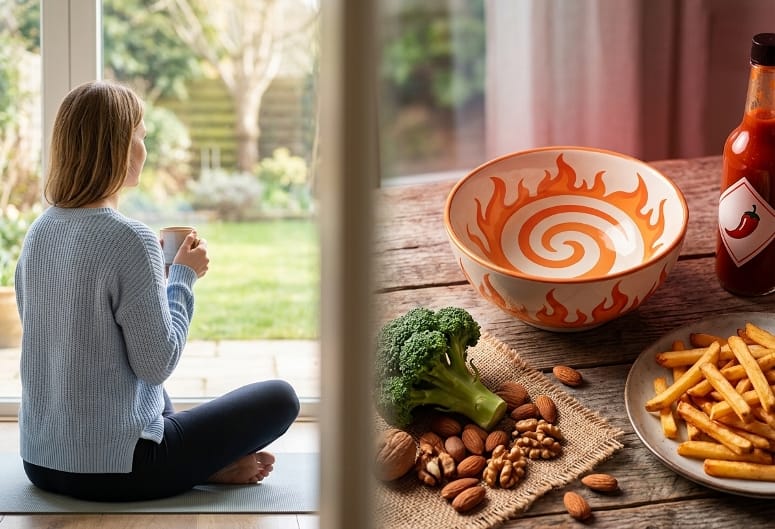
To manage symptoms, switch to low-fiber, well-cooked foods during flares, track triggers using a daily food journal, and work with a registered dietitian to ensure balanced nutrition.
Table of Contents
Worst Foods for Ulcerative Colitis
Different foods affect people differently, but these ten categories are the most common culprits for symptom flare-ups.
| Food Group | Examples | Why It Causes Problems |
|---|---|---|
| Raw vegetables | Broccoli, cauliflower, kale, cabbage | High insoluble fiber. Hard to digest. Worsens cramping. |
| Nuts and seeds | Almonds, walnuts, sunflower seeds, flaxseed | Sharp particles irritate inflamed gut tissue. |
| Fried and high fat food | French fries, fried chicken, creamy sauces | Fat speeds up gut transit. Worsens diarrhea. |
| Spicy food | Hot peppers, chili, hot sauce | Capsaicin irritates the gut lining. |
| Alcohol | Beer, wine, liquor | Stimulates the bowel. Can worsen inflammation. |
| Caffeine | Coffee, energy drinks, black tea | Speeds up bowel activity. Worsens urgency. |
| Carbonated drinks | Soda, sparkling water | Gas buildup adds to bloating and cramping. |
| Sugar alcohols | Sorbitol, mannitol, xylitol in sugar free gum | Poorly absorbed. Causes gas and diarrhea. |
| Whole grains | Brown rice, whole wheat bread, bran cereal | High fiber content adds bulk during flares. |
| Red and processed meat | Bacon, sausage, deli meat | Linked to higher flare risk in some studies (Academy of Nutrition and Dietetics, 2023). |
Check Also: Foods To Avoid During Perimenopause
How These Foods Cause Symptoms
When you understand how your gut reacts to certain foods, making safe daily food choices feels much less stressful.
High Fiber Raw Vegetables
Raw vegetables contain insoluble fiber. This type of fiber does not break down easily. It adds bulk to stool and can scrape against an already inflamed colon.
Cooking vegetables breaks down some of this fiber. Peeled, well cooked vegetables are easier to tolerate than raw ones.
Fried and High Fat Foods
Fat is harder for the body to digest during a flare. High fat meals speed up how fast food moves through the gut. This often leads to more frequent, looser stools.
Fried food also tends to come with extra grease and seasoning. Both can add to gut irritation.
Spicy Food
Capsaicin is the compound that makes chili peppers hot. It can irritate the lining of the digestive tract.
Many people with ulcerative colitis report cramping and urgency after spicy meals.
This reaction varies by person. Some tolerate mild spice fine. Severe flares usually call for bland food regardless.
Alcohol and Caffeine
Alcohol can increase gut permeability and worsen inflammation over time. Caffeine speeds up bowel contractions, which can make urgency and diarrhea worse during a flare.
Both are common causes reported by people with inflammatory bowel disease.
Carbonated Drinks
Carbonation introduces gas into the gut. This gas can cause bloating and cramping, especially when the colon is already inflamed and sensitive.
Flat water or herbal tea are gentler alternatives.
How to Spot Which Foods Bother Your Gut
Because UC varies from person to person, a food that causes one person might be safe for you. Use these steps to build a safe diet plan:
- Keep a food and symptom journal. Write down what you eat and any symptoms that follow within 24 hours.
- Remove one suspected trigger at a time. Cutting everything at once makes it hard to know what actually caused the problem.
- Reintroduce slowly. Add the food back in a small amount and watch for symptoms over the next day or two.
- Work with a dietitian. A registered dietitian familiar with IBD can help build a plan that avoids unnecessary restriction.
- Track flare timing. Note whether symptoms appear during a flare or also during remission. This helps separate true causes from flare related sensitivity.
Conclusion
Managing ulcerative colitis requires paying close attention to how your gut responds to different foods.
While raw vegetables, nuts, fried foods, caffeine, and spices are among the worst foods during a flare, you do not need to eliminate every food forever.
Focus on identifying your unique personal causes, opting for cooked and bland foods during flares, and partnering with your medical team to maintain balanced nutrition.