Best Breakfast Foods While Taking Antibiotics (And What to Avoid)
The best breakfast foods while taking antibiotics are plain yogurt, oatmeal, eggs, bananas, and whole grain toast. These foods are easy on the stomach, do not block antibiotic absorption, and help support the gut bacteria that antibiotics can wipe out.
Antibiotics do not just kill harmful bacteria. They also disrupt the good bacteria living in your digestive system (called gut microbiota or gut flora). Eating the right breakfast foods helps protect that balance and keeps side effects like nausea, diarrhea, and bloating to a minimum.
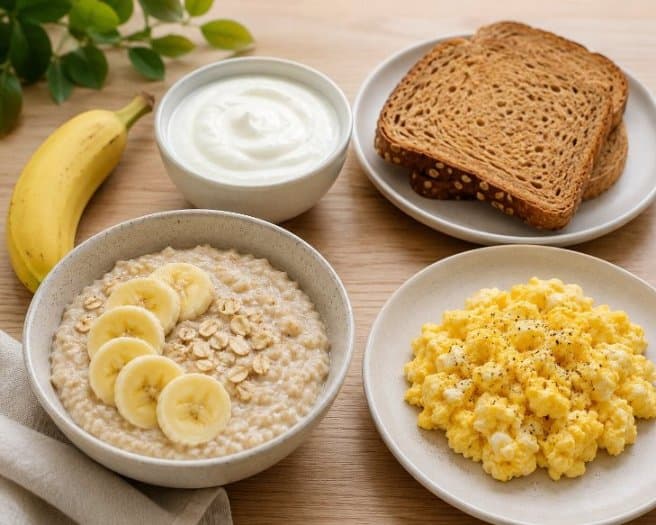
Table of Contents
Why Eating Before Taking Antibiotics Matters?
Taking antibiotics on an empty stomach increases the chance of nausea and stomach cramps. A light meal before or after your dose gives the antibiotic a softer landing in your digestive tract.
Most antibiotics are absorbed in the small intestine. Food slows the rate at which the stomach empties, which can actually improve absorption for some antibiotics.
Check the label or ask your pharmacist, since a small number of antibiotics (like certain forms of amoxicillin) work best taken with food, while others need to be taken on an empty stomach.
Best Breakfast Foods to Eat While on Antibiotics
When you’re taking antibiotics, choosing the right breakfast can make a big difference in how you feel throughout the day. If you’re wondering what to eat for breakfast when taking antibiotics, focusing on gentle, nutrient-rich options can help you start your morning on the right track.
Yogurt with Live Cultures (Your First Choice)
Plain yogurt with live and active cultures is the top breakfast food to eat during antibiotic treatment. The live cultures are probiotics, meaning they are live microorganisms that support healthy gut bacteria.
Antibiotic-associated diarrhea affects up to 30% of people on antibiotics, and eating probiotic-rich foods like yogurt can lower that risk.
Choose plain yogurt over flavored varieties. Flavored yogurt often has added sugar, which feeds harmful bacteria rather than protecting against them.
Space your yogurt at least 2 hours apart from your antibiotic dose. Eating yogurt right alongside your pill gives the antibiotic time to kill bacteria before the probiotic cultures arrive.
Oatmeal
Oatmeal is a gentle, low-irritation breakfast that is easy to digest. It contains soluble fiber (beta-glucan), which acts as a prebiotic, meaning it feeds the good bacteria in your gut rather than depleting them.
Keep your oatmeal plain or lightly topped with banana or honey while on antibiotics. Heavy toppings like dried fruit or high-sugar syrups can aggravate an already sensitive digestive system.
Eggs
Eggs are a high-protein, low-fiber breakfast that puts no stress on the gut. They do not interact with antibiotic absorption and provide steady energy without spiking blood sugar.
Scrambled, boiled, or poached eggs all work well. Skip fried eggs if your stomach already feels unsettled, since excess oil can worsen nausea.
Bananas
Bananas are one of the easiest foods to digest while taking antibiotics. They contain pectin, a type of soluble fiber that helps firm up loose stools caused by antibiotic-related gut disruption.
Bananas also contain potassium, which helps replace electrolytes lost during diarrhea. Eat them plain or slice them over oatmeal or yogurt.
Whole Grain Toast
Whole grain toast is bland, filling, and easy on a sensitive stomach. It gives you enough carbohydrates to take your antibiotic with food without overwhelming your digestion.
Pair it with a thin spread of almond butter or mashed banana for protein and energy. Skip heavy spreads like cream cheese or butter if your stomach is already reacting to the antibiotics.
Kefir
Kefir is a fermented dairy drink similar to drinkable yogurt. It contains a wider range of probiotic strains than most yogurts, making it a strong breakfast option during antibiotic treatment.
Like yogurt, space kefir at least 2 hours away from your antibiotic dose for best results. If you are lactose intolerant, non-dairy kefir made from coconut milk is a good alternative.
Read Also: Best Foods to Eat When You Have Diarrhea from Antibiotics
Breakfast Foods to Avoid While Taking Antibiotics
Some breakfast foods actively block how well antibiotics work or make side effects worse.
| Food or Drink | Why to Avoid It |
|---|---|
| Grapefruit juice | Contains compounds that block enzymes used to absorb many antibiotics |
| High-sugar cereals | Feeds harmful bacteria and worsens gut imbalance |
| Heavily processed foods | Low nutritional value and hard to digest on an irritated stomach |
| High-calcium foods (right at dose time) | Calcium can bind to certain antibiotics (like tetracycline) and reduce absorption |
| Alcohol | Slows recovery, disrupts sleep, and can intensify side effects like nausea and dizziness |
How Probiotics and Antibiotics Work Together at Breakfast
Probiotics are live bacteria and yeasts that support digestive health. During antibiotic treatment, probiotics help replenish the gut bacteria that the medication destroys alongside the harmful ones.
Eating probiotic-rich foods at breakfast (yogurt, kefir) helps restore gut balance. The key rule is timing.
Take your antibiotic dose, then wait 2 hours before eating your probiotic-rich food. This gives the antibiotic time to do its job without killing off the good bacteria you just consumed.
Probiotic use during antibiotic treatment reduced the risk of antibiotic-associated diarrhea by 51%.
What a Good Antibiotic Breakfast Looks Like (Sample Meal)
A practical antibiotic-friendly breakfast does not need to be complicated.
Option 1 (with yogurt):
- Take your antibiotic with a glass of water.
- Wait 2 hours.
- Eat plain yogurt with sliced banana and a piece of whole grain toast.
Option 2 (egg-based):
- Take your antibiotic with food (check label instructions).
- Eat 2 scrambled eggs with whole grain toast and a small banana.
- Have plain yogurt or kefir as a mid-morning snack, at least 2 hours after your dose.
Option 3 (oatmeal-based):
- Eat a bowl of plain oatmeal topped with sliced banana.
- Take your antibiotic alongside the meal if your label says “take with food.”
- Wait 2 hours before adding any probiotic foods.
How Long Should You Keep Eating This Way
Keep eating antibiotic-friendly foods for the full course of your prescription, plus at least one to two weeks after finishing. Your gut microbiota takes time to fully recover after antibiotic treatment.
The gut microbiome can take up to 6 months to return to its pre-antibiotic state in some people. Continuing probiotic-rich foods and limiting high-sugar foods for a few weeks after your prescription ends gives your gut the best chance to recover at full speed.
Antibiotic Breakfast Tips for People with Sensitive Stomachs
Some people feel nausea or stomach cramps even with the right foods. These practical steps can reduce discomfort.
- Eat a small amount before taking your antibiotic rather than a full meal, if a large meal feels like too much.
- Drink water with every dose, not juice or milk.
- Eat slowly and sit upright for at least 30 minutes after your dose.
- Avoid lying down right after eating while on antibiotics, since this can increase acid reflux.
- If nausea persists beyond 2 to 3 days, contact your prescribing doctor. They may be able to adjust the timing of your dose or switch you to a different antibiotic form.